
Repair TipsLocal Guides
How to lower your water bill with leak detection in Spring
A high water bill in Spring TX usually means a hidden leak. Here is how leak detection works, what it costs in 2026, and how to stop the waste fast.
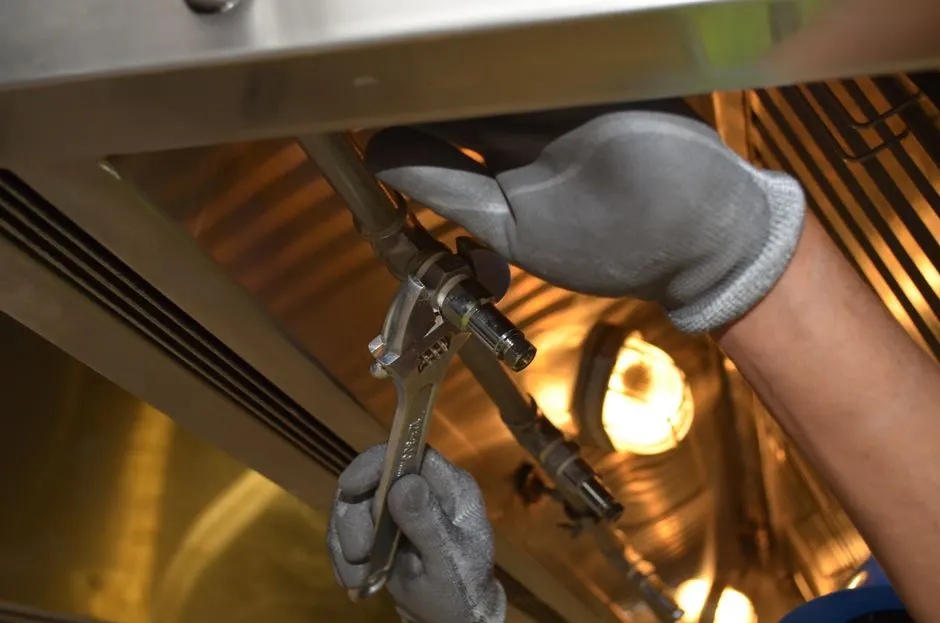
The fastest way to lower your water bill in Spring is to find the leak that is feeding it. A single running toilet can waste 200 gallons a day, and an underground slab leak can push your bill past $300 a month before you ever see water on the floor. Leak detection is how you locate that loss without tearing up your yard or breaking into the slab, and it is the only way to stop paying for water that never reaches a fixture.
We are a local plumbing company, and we run these calls across Spring every week. Below is what actually drives high bills here, how detection works, what it costs in 2026, and the mistakes that keep homeowners paying for water they never use.
Why your water bill is high in Spring TX
Most high water bills in Spring TX trace back to a leak you cannot see, not to a change in how you use water. Households here pull from the same aquifer the whole region depends on, and our soil is a heavy clay that swells when it is wet and shrinks hard when it dries. That shrink-swell cycle is brutal on buried pipes, and it is the reason slab leaks and irrigation line breaks show up so often in neighborhoods built in the 1980s and 1990s.
Before you assume the worst, rule out the obvious. A toilet flapper that never seats fully, a dripping hose bib, or a pool auto-fill valve stuck open will all move the meter. So will a water softener regenerating on a bad timer. If none of those explain the jump, you have a hidden leak, and that is where detection earns its money.
One more local factor: our summers. From June through September, outdoor watering can double a normal bill, and a cracked lateral line under the lawn will quietly add to that. If your bill spikes in July and stays high into fall, you are likely looking at both.
How leak detection lowers your water bill
Leak detection lowers your water bill by pinpointing the exact location of a leak so it can be repaired instead of guessed at. The savings come from two places: the water you stop wasting, and the demolition you avoid by not digging up the wrong spot. On a typical slab leak, finding the leak within a few inches instead of jackhammering a whole room is worth more than the detection fee itself.
Here is what the process looks like on a real call:
- We shut off every fixture and confirm the meter is still spinning. That tells us the leak is on the pressurized side, not a drain.
- We isolate the house from the irrigation system and the pool. This is the step most homeowners skip, and it is why they end up paying for a plumber when the real problem is a sprinkler zone.
- We use acoustic listening equipment and thermal imaging to trace the leak to a specific area. On slab leaks, we pressurize the line and watch where the pressure drops.
- We mark the spot and give you a repair plan with a price before we open anything up.
Water leak detection in Spring Texas is not a guess-and-dig operation. It is a measurement. When we can tell you the leak is 14 inches from the north wall of the garage, the repair becomes a small, targeted job instead of a remodel.
If the leak turns out to be on a drain or sewer line rather than a supply line, the fix is different. Slow drains, gurgling toilets, and a sewage smell in the yard point to a broken sewer line, and we handle those with camera inspection before any digging starts. You can see how we approach that work on our sewer line repair Spring TX page.
How to find a hidden water leak in Spring TX yourself
You can narrow down a hidden water leak in Spring TX in about 20 minutes with nothing but your water meter and a flashlight. This will not tell you exactly where the leak is, but it will tell you whether you have one and roughly what kind.
The meter test. Turn off every faucet, appliance, and irrigation zone. Make sure the ice maker and water softener are not running. Now watch the leak indicator on your meter - the small triangle or dial. If it moves, water is passing through the meter right now. Write down the reading, wait two hours without using any water, and read it again. One cubic foot equals 7.48 gallons. If you lost two cubic feet in two hours, that is roughly 15 gallons a day, or about 450 gallons a month.
Signs that point to a slab leak specifically:
- A warm spot on the floor that stays warm after the heat is off
- The sound of running water when everything is shut off
- Cracks in tile or sheetrock that appeared over a few months
- A musty smell or unexplained moisture at the baseboard
- Your water heater cycling more than usual because hot water is escaping underground
If the meter stops when you shut off the valve to the water heater, the leak is on the hot side. That single test saves time and money on the repair. If the meter keeps moving with the house valve closed, the leak is between the meter and the house - a service line problem, which is a different repair.
One thing to check before you call anyone: your irrigation system. In Spring, a stuck zone valve can run a sprinkler zone all night and add $80 to $150 to a monthly bill. Shut the irrigation supply off at the backflow preventer and re-run the meter test. If the meter goes still, you just solved it yourself.
What leak detection costs in Spring Texas in 2026
Typical 2026 pricing for leak detection in the Spring area runs $150 to $450 for a residential call, depending on how hard the leak is to isolate. A straightforward under-slab supply leak on a single-story home sits at the low end. A leak that requires isolating multiple zones, or one on a second floor with no accessible crawl space, sits at the high end.
Repair costs are separate and depend on what we find:
- Slab leak repair: $600 to $2,500, with the range driven mostly by how much concrete has to be opened and whether the line is rerouted overhead instead.
- Underground service line repair: $800 to $3,000, depending on depth and whether we tunnel or trench.
- Irrigation line repair: $150 to $500 for most residential zones.
- Running toilet or flapper replacement: $125 to $250, and this is the single most common cause of a bill that jumps $40 to $80 a month.
Run the math before you decide detection is not worth it. A leak losing 10 gallons an hour wastes 7,200 gallons a month. At Spring-area rates, that is real money every month, and it does not stop on its own. It also does not stay the same size - clay soil movement makes small leaks bigger.
We give you the detection price and the repair price before we start, so you can decide with numbers instead of a guess.
Common mistakes that keep Spring water bills high
The most expensive mistake we see in Spring is repairing the leak without finding the cause. A slab leak on a 30-year-old copper line is usually a symptom of soil movement or a line that has reached the end of its life. Patch one spot and you will often be back in the same slab within two years. Sometimes rerouting the line overhead is the cheaper decision over a five-year window.
Other mistakes that cost homeowners here:
- Skipping the irrigation isolation step. We have seen homeowners pay for a full slab leak detection when the actual problem was a $12 sprinkler valve diaphragm.
- Ignoring a running toilet because it is quiet. A slow flapper leak is silent and constant. It is the number one cause of a high water bill leak in Spring TX that turns out to have nothing to do with the slab.
- Waiting for visible water. By the time water reaches the surface in our clay soil, the leak has usually been running for weeks.
- Letting a dripping faucet ride. A faucet dripping once per second wastes about 3,000 gallons a year. That is a small fix with a real return.
- Not checking the pool auto-fill. A stuck fill valve on a pool can add 1,000 gallons a week without a single visible sign.
If you are in an older neighborhood where the housing stock dates to the 1970s and 1980s, expect more of these calls. We run a lot of them across plumbers Spring TX in Old Town Spring, where original galvanized and early copper lines are now well past their expected service life.
When to call a professional
Call a professional when the meter test shows water moving with everything shut off, or when you see any of the slab leak signs above. Those two situations are not DIY repairs, and guessing at the location will cost you more in concrete than the detection would have.
We handle this every day as a full-service plumbers Spring TX operation. Our technicians carry acoustic and thermal equipment on the truck, so we can usually confirm and locate a leak on the first visit rather than scheduling a second trip. We find the leak, fix it, and test the line before we leave.
If the leak has already caused a burst pipe or you have water actively running where it should not be, that is an emergency, not a scheduled call. Shut off the main at the street and call us right away - our emergency plumbing Spring TX team handles after-hours calls, and stopping the water in the first ten minutes is what keeps a $400 repair from becoming a $4,000 one.
Frequently Asked Questions
How does leak detection lower my water bill in Spring TX?
It finds the exact spot where water is escaping so we can repair that spot instead of guessing. Once the leak is fixed, the wasted water stops, and your bill drops back to normal within one or two billing cycles. Most customers see the difference on the very next statement.
Why is my water bill high in Spring TX?
The usual causes are a running toilet, a stuck irrigation zone, a pool auto-fill valve, or a hidden slab leak. In Spring, clay soil movement makes underground supply line leaks common in homes built before 2000. Start with the meter test to narrow it down.
How much does leak detection cost in Spring Texas?
Expect $150 to $450 for a residential detection call in 2026. Simple under-slab leaks sit at the low end; multi-zone or second-floor leaks sit higher. Repair is priced separately, and we quote both before any work begins.
Can I find a hidden water leak myself?
You can confirm one exists. Shut off all water, watch the meter's leak indicator, and note whether it moves. You can also isolate the irrigation and water heater to narrow the source. Pinpointing the exact location underground requires acoustic and thermal equipment.
How long does leak detection take?
Most residential detections take 45 to 90 minutes. Slab leaks on larger homes or leaks that require isolating several zones can run up to two hours. We tell you what we find and what the repair costs before we open any concrete.
Get help with plumbers Spring TX in Spring
If your meter is moving and nothing is on, we can find the leak and stop the waste. We serve homeowners across Spring, from the older streets near plumbers Spring TX in Klein to the newer builds out toward Rayford Road.
Call +1 (831) 293-1204 and we will get a technician out to run the detection, show you the numbers, and fix the leak the same day whenever the repair allows.