Written scope
Unit model, vent path, and gas line size
When you book tankless water heater installation Spring TX homeowners trust, you get a unit sized to your fixtures, vented to code, and running the same day. We handle gas and electric on-demand systems for families in Spring, Klein, and Harris County who are tired of running out of hot water. Call +1 (831) 293-1204 for a same-day estimate.
Every install covers the unit, the permit, the venting, and the labor to tie it in. Here is what is in the price, and what we add only if your home needs it.
We install tankless water heaters in houses, townhomes, and duplexes across Spring. We measure your gas line, count your fixtures, and mount the unit where you can reach it for the yearly flush.
We install tankless units in small commercial spaces that need steady hot water without a tank in the way. We work around your hours and pull the permit before we start.
Tankless water heater installation Spring TX is the process of replacing a tank-style unit with an on-demand heater that warms water only when a fixture calls for it. We run a dedicated gas line or 240-volt circuit, mount the unit on a wall, tie in the hot and cold lines with copper or PEX pipe, and vent the exhaust through the roof or sidewall. A typical swap takes four to six hours. The result is a unit the size of a carry-on suitcase that delivers 7 to 11 gallons per minute, depending on the model.
Most Spring homes built before 2005 still run a 40- or 50-gallon tank in the attic or garage. Those tanks rust from the inside, and when they let go, you get 40 gallons of water through your ceiling. If you are comparing tankless vs tank installation Spring TX, the deciding factor is usually space and recovery time. A tankless unit frees up a closet, lasts about twice as long, and never runs cold mid-shower. We see this most in two-story homes off Louetta and Spring Cypress where the master bath is 40 feet from the heater.
We size the unit to your fixtures and gas line, then install it to pass inspection.
Every job follows the same five steps. You know what happens, who does it, and how long it takes before we start.
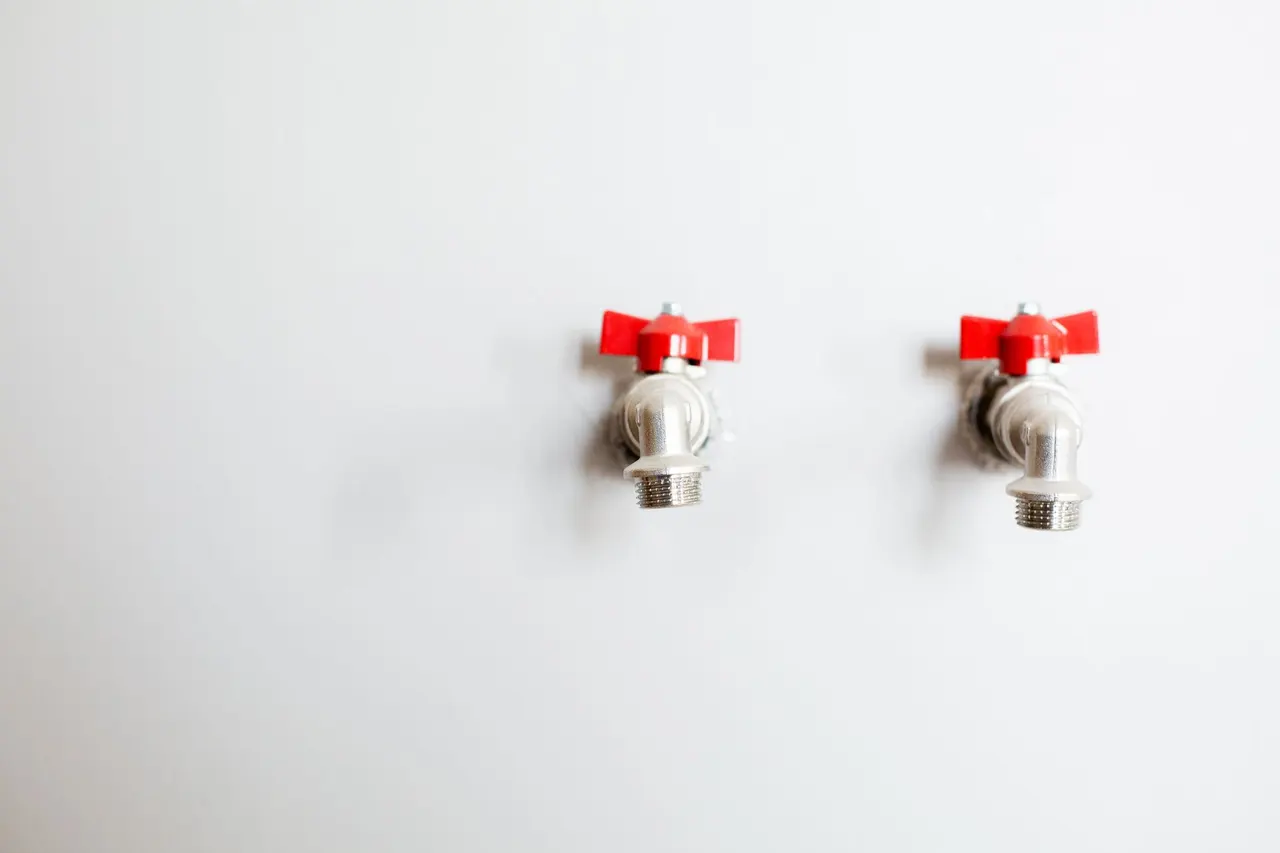
We measure your incoming water temperature, count your fixtures, and check your gas meter capacity or electrical panel. Spring water comes in around 68 to 72 degrees, so we size for a 50-degree rise. You get a written estimate the same day, and we explain why a 199,000 BTU unit fits your house better than a 160,000 BTU model.
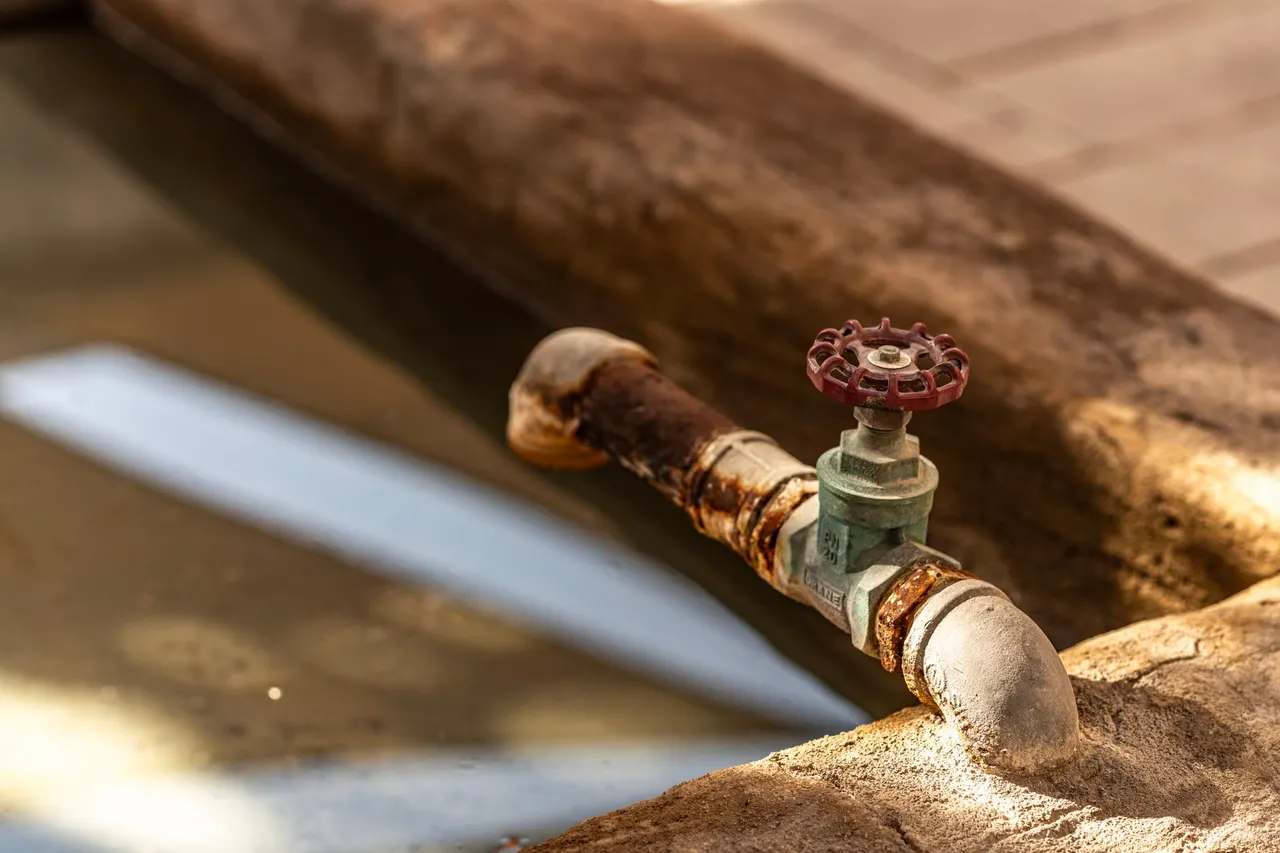
We pull the plumbing permit with the City of Spring and schedule the inspection. You do not need to be home for this. We also confirm the vent path, gas line size, and whether the unit needs a 3/4-inch gas run or a dedicated 240-volt circuit. Most permits clear in one to two business days.
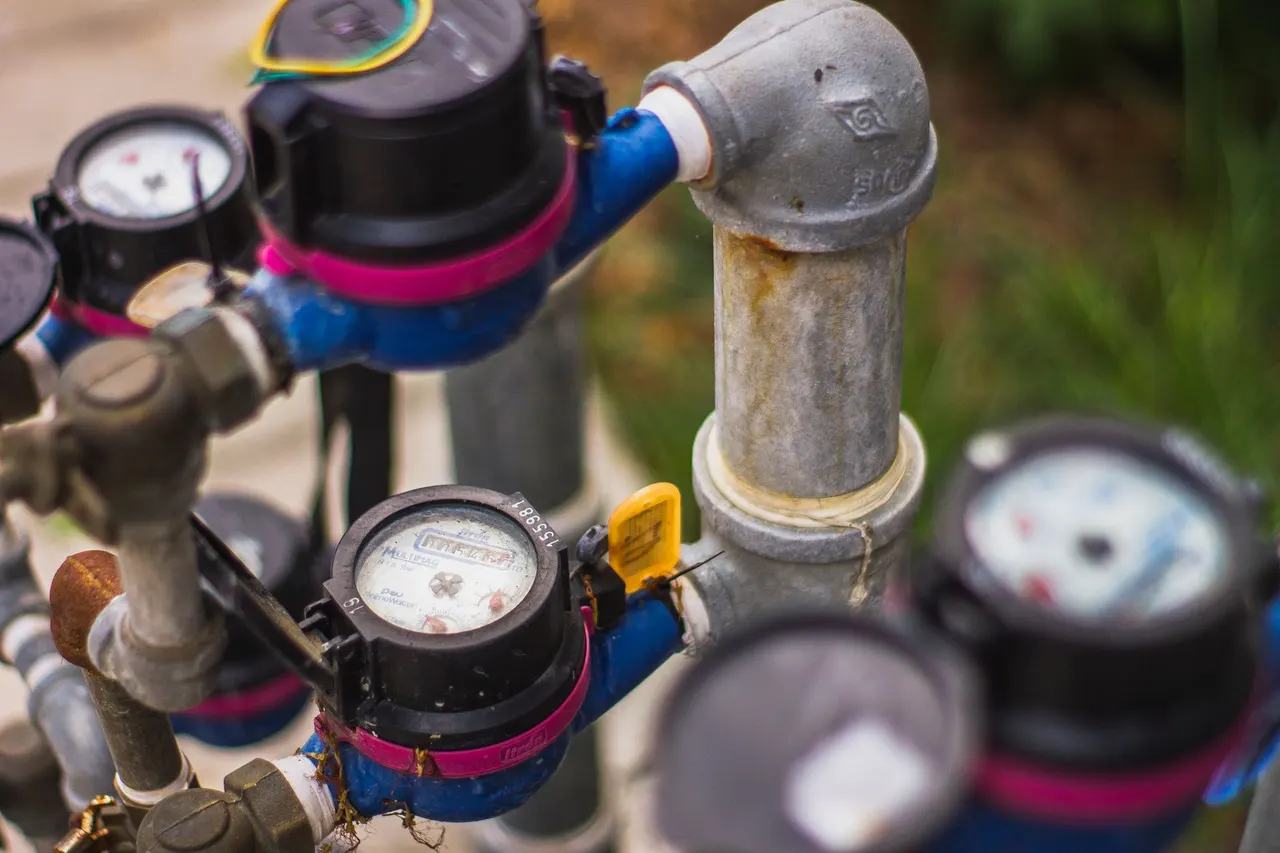
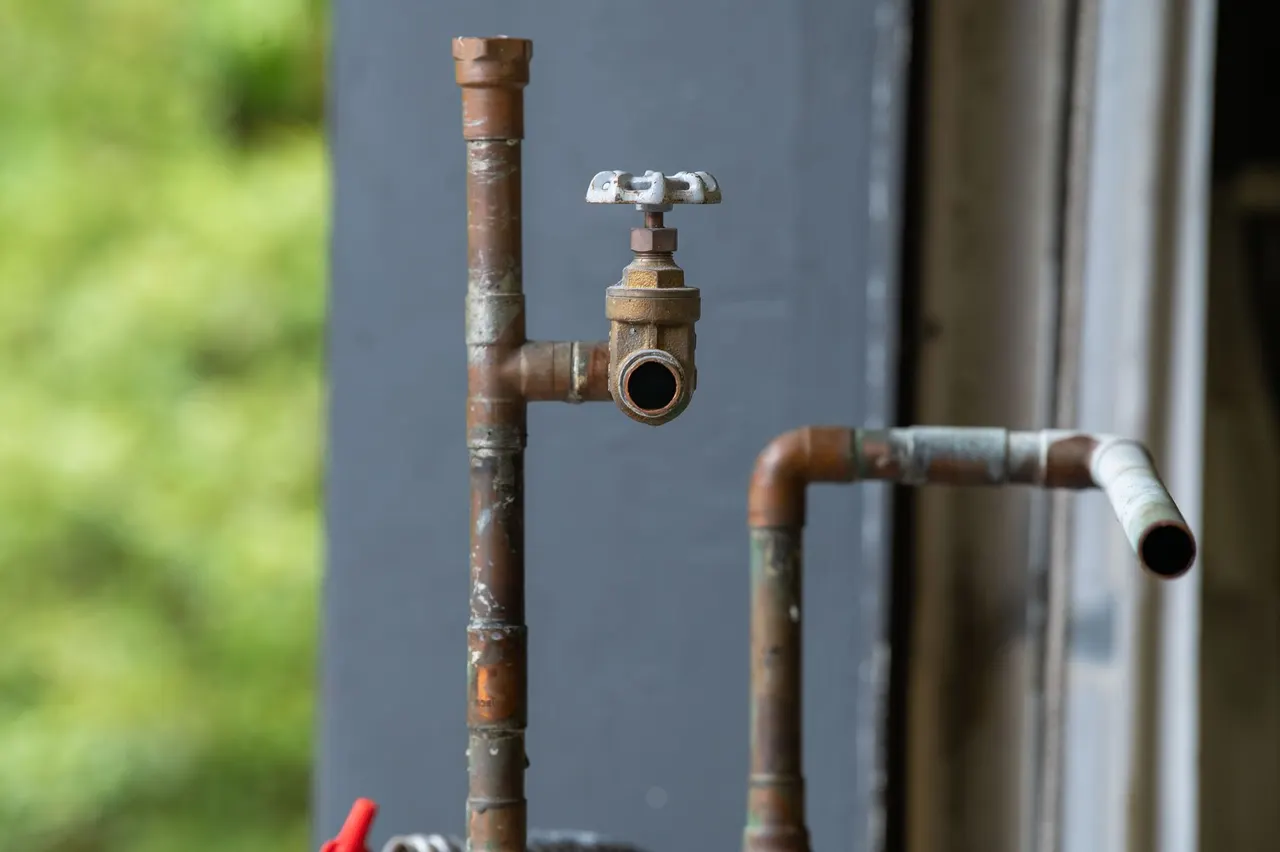
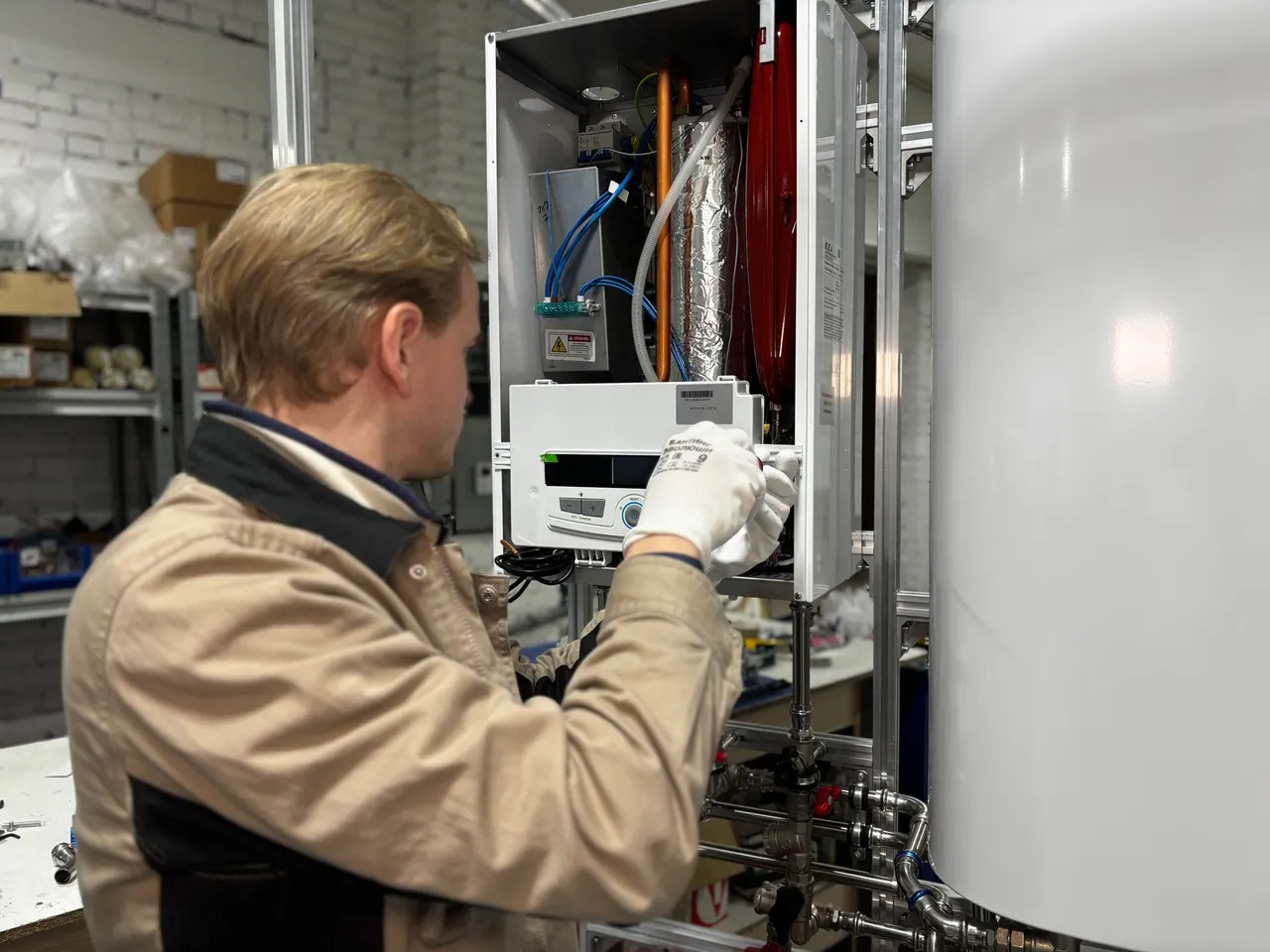
On install day, we shut off the gas and water, drain the old tank, and haul it out. We cap the old lines, run new copper or PEX pipe to the tankless location, and mount the unit on the wall with lag bolts into studs. If we are running a new gas line, we pressure-test it at 10 psi for 15 minutes before we tie in.

We run the exhaust vent through the roof or sidewall using schedule 40 PVC or stainless steel, depending on the manufacturer. Navien and Rheem units each have their own venting spec, and we follow it. Then we connect the gas or electrical, open the valves, and fire the unit. We set the output to 120 degrees and test every fixture in the house.
We show you how to set the temperature, flush the unit once a year, and read the error code if it ever locks out. We clean up the work area, haul off the old tank, and leave the permit tag on the unit. You get a 10-year heat exchanger warranty and a 5-year labor warranty on the install.
We use a RIDGID press tool to make copper and PEX connections without a torch. Press fittings are faster and safer in attics where an open flame is a risk. Every joint is pressure-tested before we fire the unit.
For copper lines that need a soldered joint, we use a propane torch and lead-free solder. We protect nearby framing with a heat shield and pressure-test the run at 10 psi for 15 minutes before we tie in the tankless unit.

A tube cutter gives us a square, burr-free cut on copper pipe. That matters on a tankless install because a rough cut can damage the ferrule and cause a slow leak behind the wall. We deburr every cut before we connect.
We use electronic leak detection equipment to check every connection before we close up the wall. On a tankless install, that includes the gas line, the water lines, and the T&P valve. If it leaks, we find it before we leave.
We use Milwaukee M18 drills and impacts to mount the tankless unit to studs with lag bolts. A wall-mounted unit weighs 30 to 60 pounds, so it needs solid framing. We locate studs with a scanner and never trust drywall anchors.
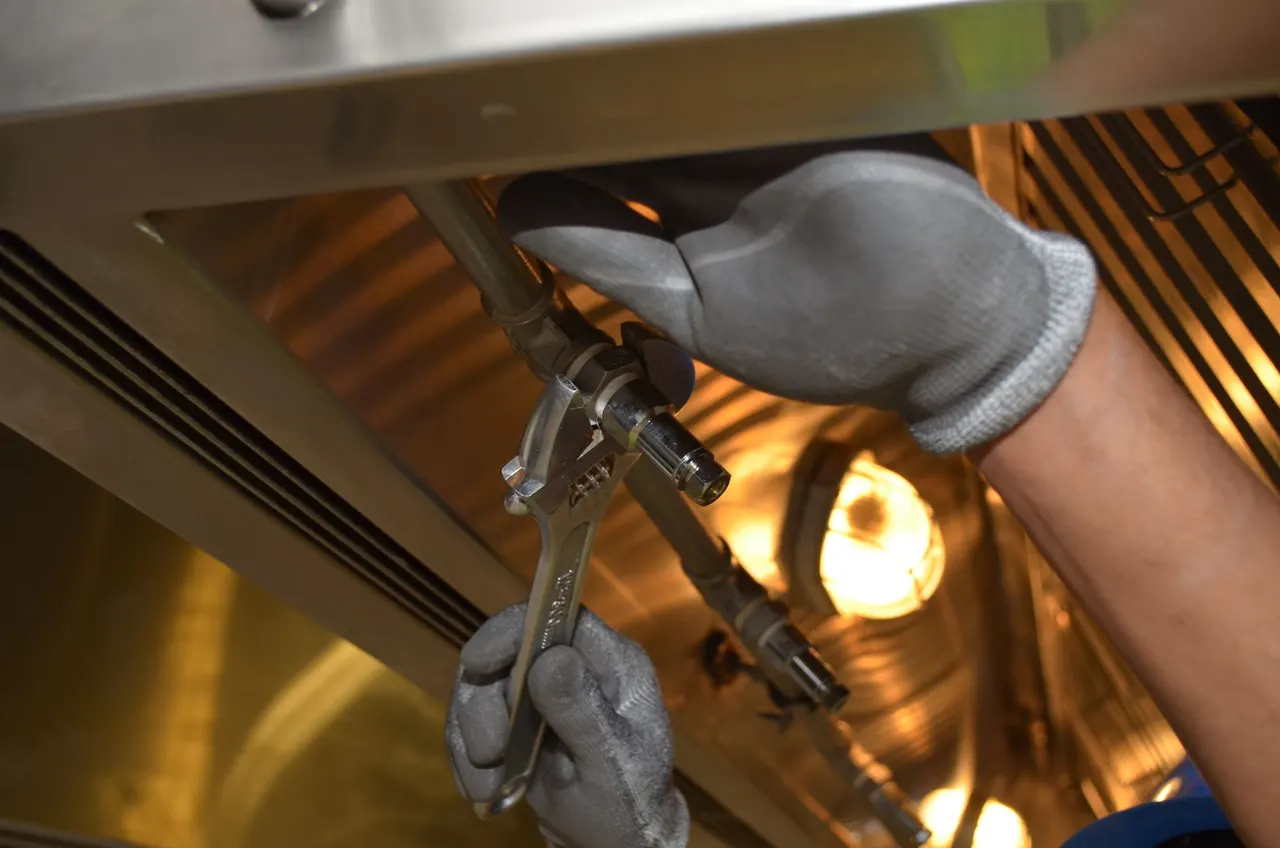
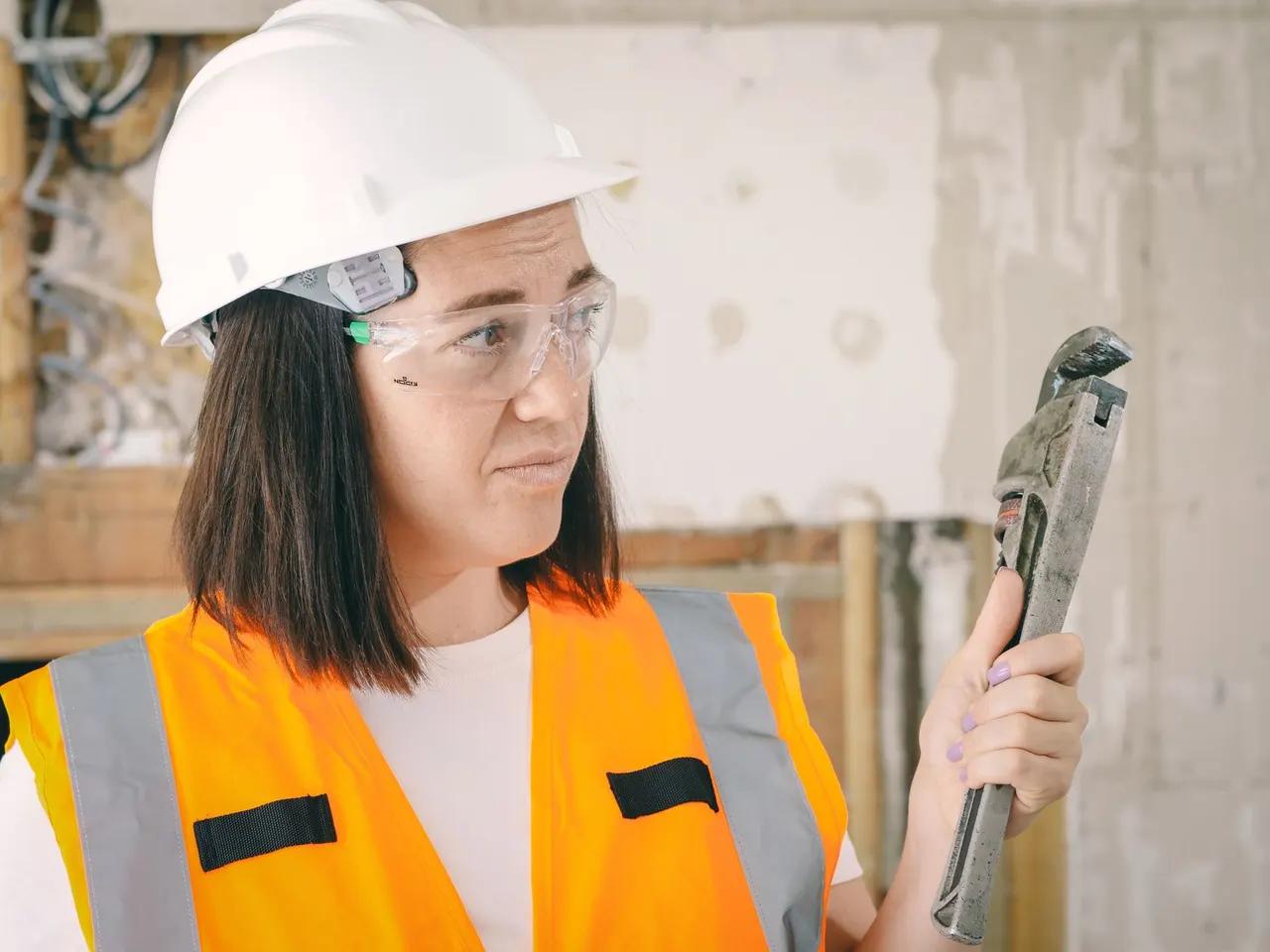
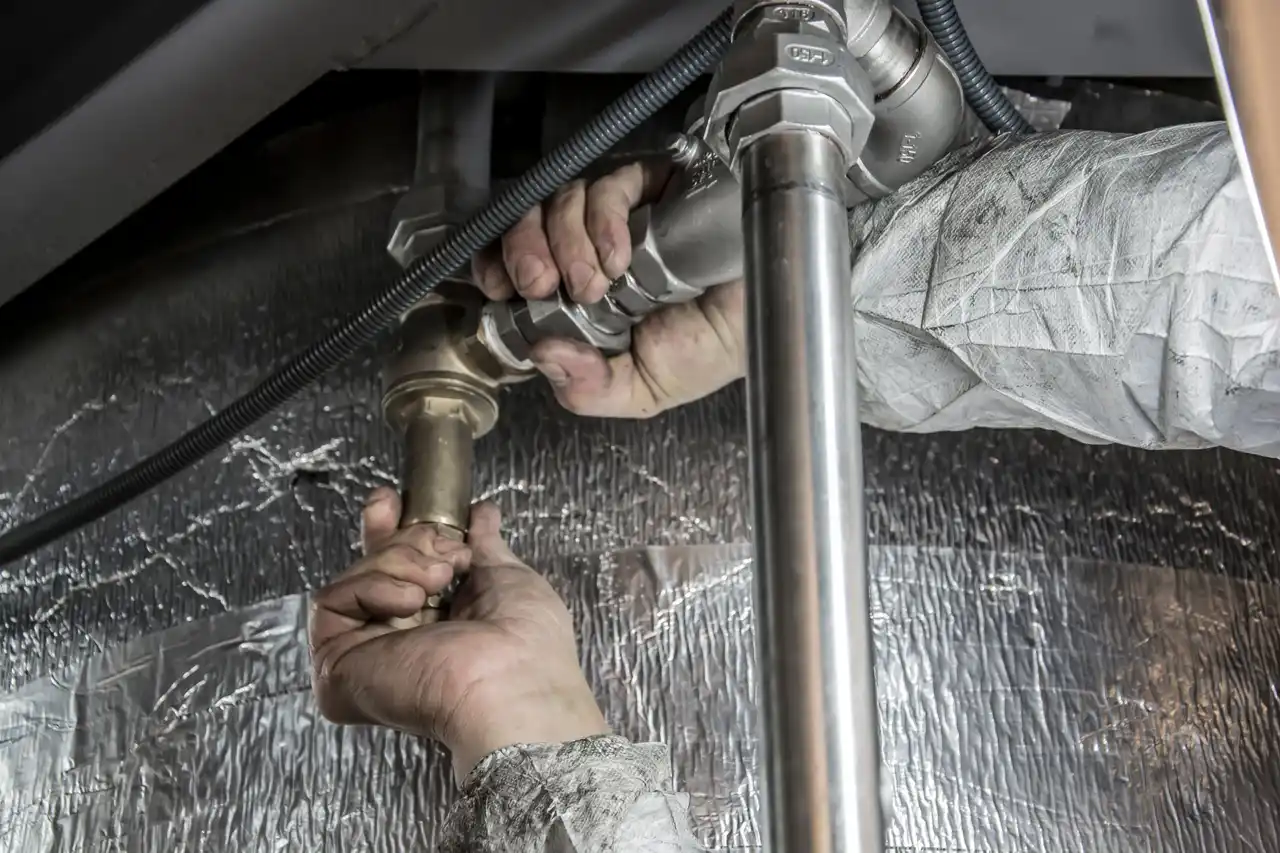
A pipe wrench and the right pipe fittings let us tie into existing gas and water lines without cutting more than we need to. We use Teflon tape and plumber's putty on threaded connections and check every joint with leak detection equipment.
Every tankless unit has its own venting requirements. Navien, Rheem, and Rinnai each publish a maximum vent length, a minimum rise, and an approved material list. We follow the spec for your unit, whether that means schedule 40 PVC, CPVC, or stainless steel. That is how the install passes inspection the first time.
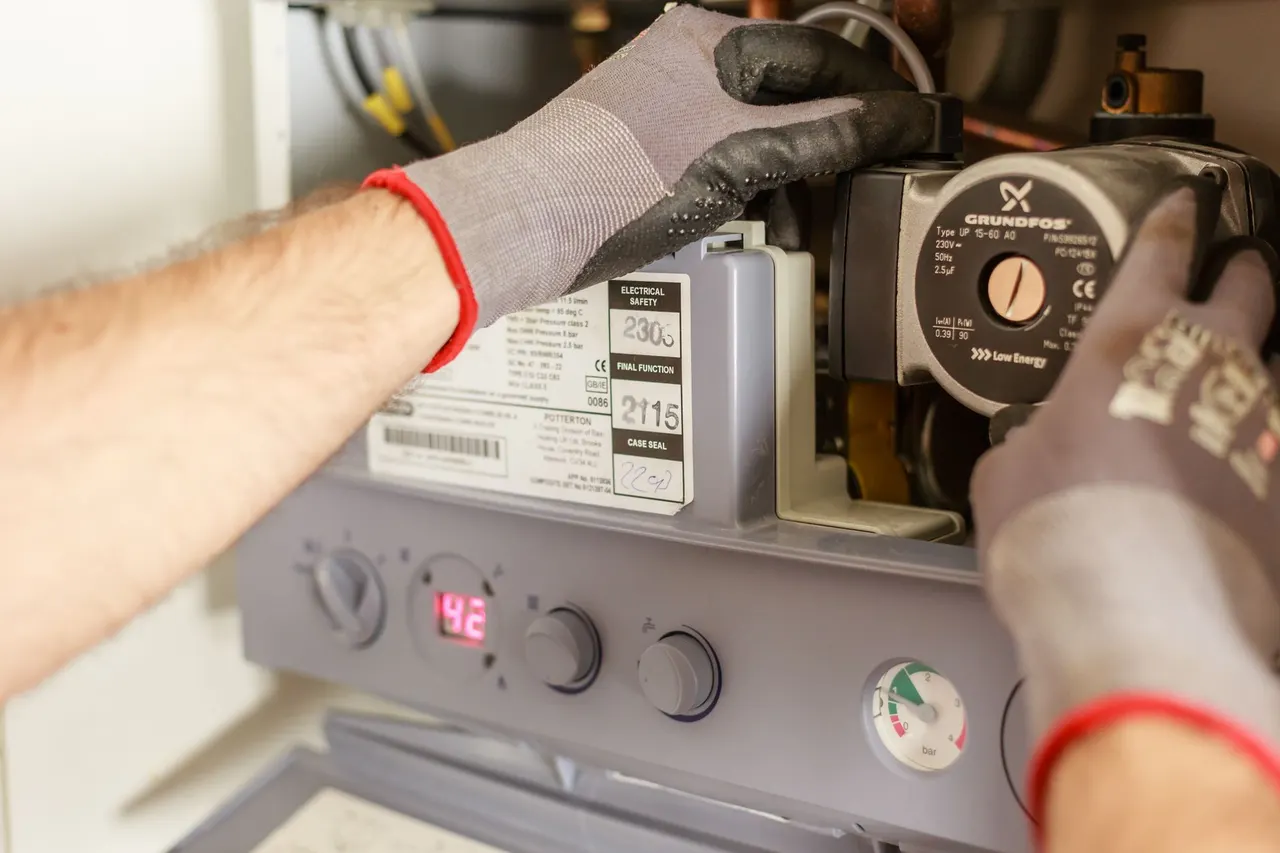
We pressure-test every new or upgraded gas line at 10 psi for 15 minutes before we connect the tankless unit. A soap bubble test is not enough. If the pressure drops, we find the leak and fix it before we open the valve. The City of Spring inspector checks the same thing.
We replace the tank with a tankless unit sized to your fixtures. We pull the permit, run the vent and gas line, and haul the old tank away. The install takes one day, and you get a 10-year heat exchanger warranty. You avoid the emergency replacement that happens when a 12-year-old tank lets go. You also get lower gas bills and endless hot water from day one.
We size a tankless unit for the new fixture count and run the gas line or electrical circuit to support it. If your meter cannot feed the larger unit, we tell you before you buy it and quote the meter upgrade. The new bathroom has hot water from the first shower, and the rest of the house does not go cold when someone uses it.
We check the tank for sediment and a failing anode rod, then quote a tankless replacement. A tankless unit has no standby loss, so it stops paying to keep 50 gallons hot around the clock. You cut gas use by 20 to 30 percent and stop replacing a tank every 8 to 12 years. The unit also runs cooler in a Spring attic, which extends its life.
We pull the plumbing permit with the City of Spring, meet the inspector, and email you the signed-off tag. The inspection covers gas pressure, venting, and the T&P valve. You do not need to be home. The install passes inspection the first time, your homeowner's insurance stays valid, and you have the paperwork for resale.
Spring sits on the edge of Harris County, and the housing stock tells the story. Homes in Old Town Spring and Ponderosa Forest were built in the 1970s and 1980s, and many still have a 40-gallon tank in the attic with a 1/2-inch gas line. Homes in Gleannloch Farms and Spring Trails are newer, with garage tanks and 3/4-inch gas lines that can feed a 199,000 BTU tankless unit without an upgrade. We check the meter and the line size before we quote, because a tankless unit that cannot get enough gas will not keep up with two showers. The City of Spring requires a plumbing permit for any water heater replacement, and the inspection covers gas pressure, venting, and the T&P valve. We pull the permit and meet the inspector. If you are comparing the cost to install tankless water heater Spring TX, the two variables that move the number most are gas line size and vent path. A straight swap on an existing 3/4-inch line runs $2,800 to $3,800. A new gas line from the meter and a roof vent can push it to $5,500. We quote both before we start.
A 50-gallon tank in the attic of a 1990s home in Spring Trails. The tank was 13 years old, the anode rod was gone, and the pan had rust stains. The family of five ran out of hot water every morning and had scheduled showers around the tank.
We removed the tank, mounted a 199,000 BTU Navien unit on the garage wall, and ran a new roof vent. The install took one day. The family now runs two showers and a dishwasher at once with no temperature drop. The gas bill dropped $14 the first month.
Flush the unit once a year with a descaling solution and check the condensate drain. We left a written schedule on the unit and a 10-year heat exchanger warranty.
A 1978 ranch home in Klein with a 40-gallon tank and a 1/2-inch gas line. Two quotes from other companies sized a 199,000 BTU unit without checking the meter. The homeowner wanted to know why the first quote would not keep up with two showers.
We measured the meter and found it could only feed 160,000 BTU. We upgraded the gas line to 3/4-inch, pressure-tested it at 10 psi, and installed a Rheem unit sized to the actual load. The inspector signed off the first visit. Two showers and the washing machine run at once with no cold water.
Check the gas line for leaks once a year and flush the heat exchanger. We showed the homeowner how to read the error code and reset the unit if it locks out.
A 12-year-old tank in a Benders Landing garage started leaking on a Friday night. The homeowner shut off the water and called us. The tank was rusted through at the bottom, and the garage floor had a half-inch of water.
We came out Friday night, shut down the tank, and quoted a tankless swap for Monday. By Monday afternoon we had the old tank hauled off, a new tankless unit mounted on the wall, and hot water running. The permit was pulled the same week and the inspection passed.
We installed a drip pan and shut-off valve and showed the homeowner how to flush the unit once a year. The 10-year heat exchanger warranty covers the unit, and the 5-year labor warranty covers the install.
Most people call us because something already went wrong. Here are the four problems we hear most in Spring, and how a tankless unit fixes each one.
We size a tankless unit to your fixture count and incoming water temperature. A 199,000 BTU gas unit delivers 11 gallons per minute, which covers two showers, a dishwasher, and a washing machine at once. You stop scheduling showers and start taking them when you want. A 40-gallon tank gives you about 10 minutes of hot water before it goes cold. In a house with three or more people, that means cold showers and a morning schedule built around the water heater.
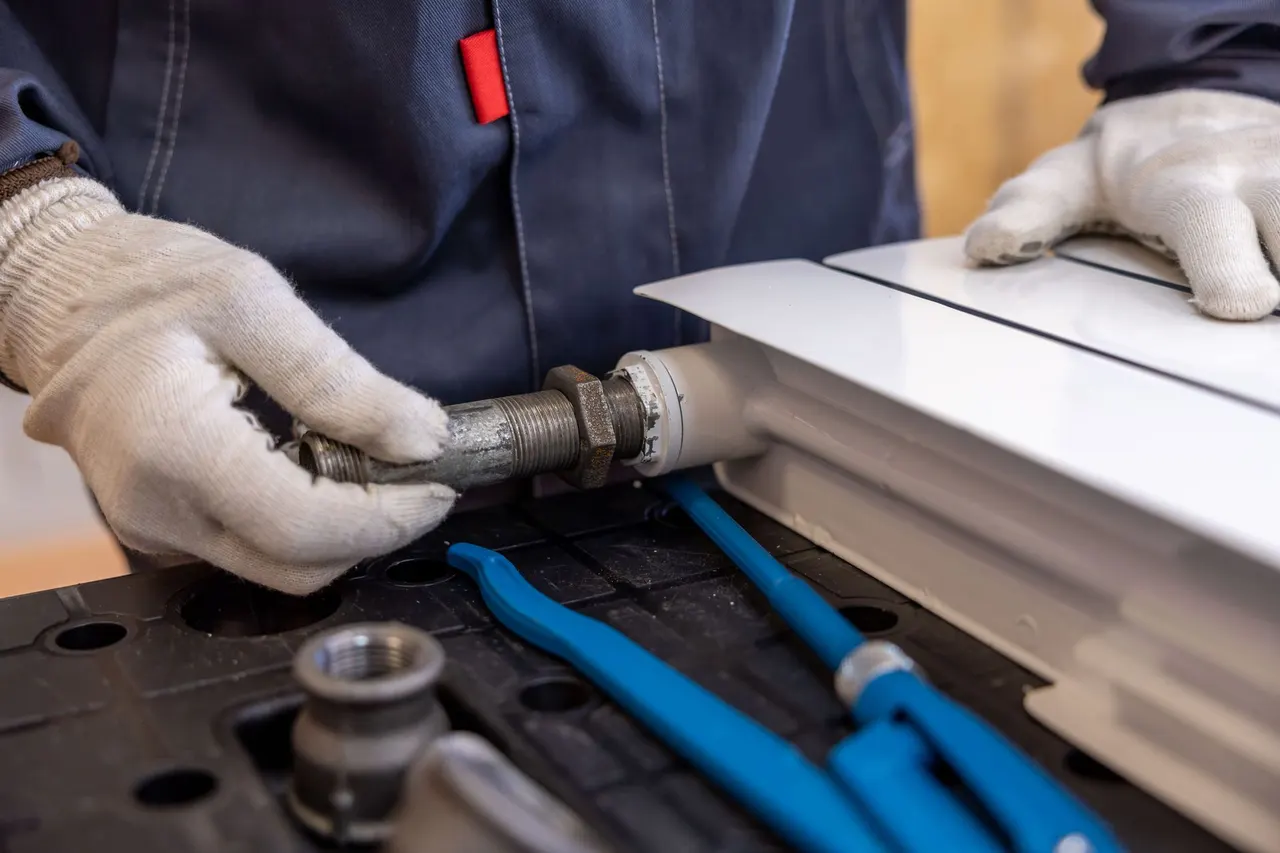
We remove the tank, install a wall-mounted tankless unit with a drip pan and shut-off valve, and haul the old tank away. The new unit holds less than a gallon at a time, so a failure is a drip instead of a flood. We also check the anode rod on any tank unit we service. A 50-gallon tank in the attic can dump 50 gallons through your ceiling in under 10 minutes. That means drywall, insulation, paint, and sometimes a new ceiling. Insurance may cover it, but the disruption is real.
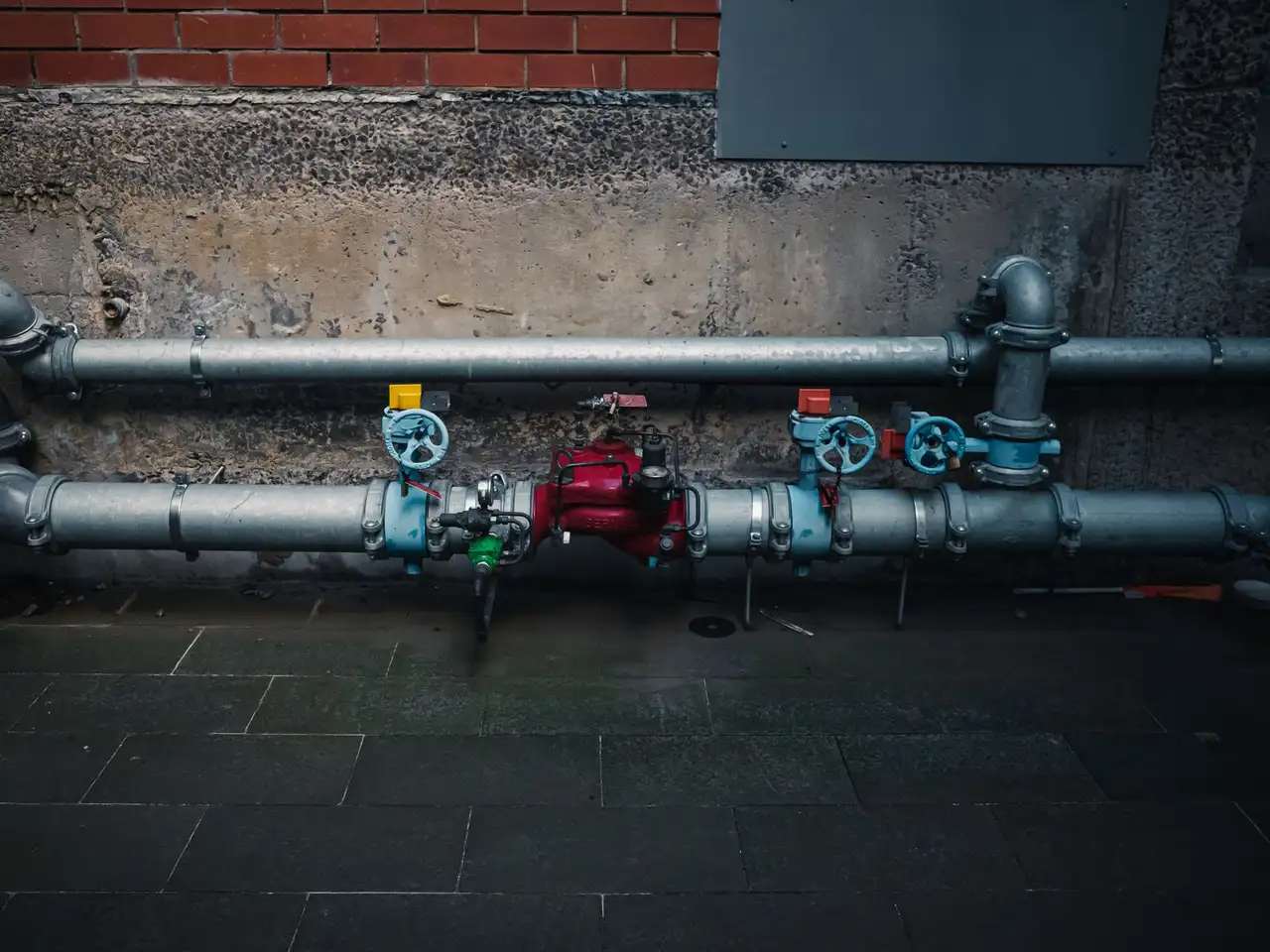
A tankless unit heats water only when a fixture calls for it. There is no standby loss, so you use 20 to 30 percent less gas. In a Spring home with average usage, that pays back the higher install cost in five to seven years, and the unit lasts 18 to 22 years. A tank heater keeps 40 to 50 gallons at 120 degrees 24 hours a day, even when nobody is home. That standby loss adds $8 to $15 a month to your gas bill and shortens the life of the tank.
A tankless unit mounts on the wall and takes up about 2 square feet. We run the gas line and vent to the new location, tie in the water lines, and free up the floor space for something useful. Most installs are done in one day. If you are converting a garage, finishing an attic, or adding a bathroom, a 50-gallon tank eats 6 to 8 square feet of floor space. That is a closet, a pantry, or part of a hallway you cannot use.
A properly sized tankless unit never runs out. You can run the dishwasher, two showers, and the washing machine at once and still hold 120 degrees at the tap. For a family of five in Gleannloch Farms, that means no more 6 a.m. shower schedule. Gas models deliver 8 to 11 gallons per minute; electric models run 3 to 7 depending on the circuit.
Tankless heaters use 20 to 30 percent less gas than a tank because they are not reheating water 24 hours a day. In a Spring home with average usage, that shows up as $8 to $15 a month off the gas bill. The unit also lasts 18 to 22 years versus 8 to 12 for a tank, so you replace it once instead of twice.
A tankless unit mounts on the wall and takes up about 2 square feet. That frees up the closet, garage corner, or attic platform where the old tank sat. In Klein and Northampton homes, that space often becomes a pantry or storage shelf. You also stop worrying about a 50-gallon tank leaking through the ceiling above your living room.
A tank holds 40 to 50 gallons under pressure. When the anode rod wears out and the steel rusts through, all of it ends up on your floor. Tankless units hold less than a gallon at a time, so a failure is a drip, not a flood. We install a drip pan and shut-off valve on every job, and we check the anode rod on tank units during any water heater repair call.
Typical 2026 pricing for tankless water heater installation in Spring runs $2,800 to $5,500. The low end is a straight swap on an existing 3/4-inch gas line with a sidewall vent. The high end includes a new gas line from the meter, a roof vent, and a permit. Electric units cost less to install but need a dedicated 240-volt circuit. We quote the full job before we order anything, and we tell you if a tank unit is a better fit for your meter or panel.
What your estimate is based on
$2,800 - $5,500 depending on gas line, vent path, and unit size A tankless unit costs more up front than a tank, but it lasts 18 to 22 years instead of 8 to 12 and cuts gas use by 20 to 30 percent. In a Spring home with average usage, that saves $8 to $15 a month and avoids one full replacement.
Clear records you can keep and share.
Unit model, vent path, and gas line size
Signed off by the City of Spring
Yearly maintenance steps on the unit
A tankless unit is not a drop-in replacement for a tank. The gas line, vent, and electrical circuit all have to match the new unit.
A 199,000 BTU unit needs a 3/4-inch gas line. If your home has a 1/2-inch line, we upgrade it and pressure-test at 10 psi.
Condensing units use schedule 40 PVC and need a condensate drain. Non-condensing units may need stainless steel. We follow the manufacturer spec.
Not on the list? Call and ask if we can get to you. +1 (831) 293-1204
Most tankless installs in Spring run $2,800 to $5,500 in 2026, including the unit, permit, venting, and labor. A straight swap on an existing gas line sits at the low end. If we need to run a new 3/4-inch gas line or add a 240-volt circuit, expect the higher end. Electric units cost less to install but need a dedicated circuit. We give you the full number before we start.
Yes, if you plan to stay in the house more than five years. A tankless unit costs $1,200 to $2,000 more up front than a tank, but it lasts 18 to 22 years instead of 8 to 12 and cuts gas use by 20 to 30 percent. In a Spring home with average usage, that saves $8 to $15 a month. You also stop running out of hot water, which is the reason most people switch.
A standard swap takes four to six hours. If we are running a new gas line from the meter or adding a 240-volt circuit, plan on a full day. We schedule the permit inspection one to two days after the install, and you do not need to be home for that. Most Spring homeowners have hot water back the same evening.
Yes. The City of Spring requires a plumbing permit for any water heater replacement, including tankless. We pull the permit for you and meet the inspector on site. The inspection covers gas line pressure, venting, and the temperature and pressure relief valve. Skipping the permit can void your homeowner's insurance and create a problem when you sell the house.
Call +1 (831) 293-1204 and we will size your unit, quote the full job, and schedule the install. Same-day estimates, permits handled, and a 10-year heat exchanger warranty. We show up when we say we will.
Call us at +1 (831) 293-1204 or email [email protected]. We answer calls 24/7 for emergencies. For standard service, we schedule visits Monday through Friday from 8:00 AM to 6:00 PM. If you leave a message after hours, we will call you back first thing the next morning.