
Local GuidesMaintenance Tips
When to schedule water heater maintenance before summer in Spring
The best time to schedule water heater maintenance in Spring TX is March through early May, before summer demand hits. Here's why timing matters and what to expect.
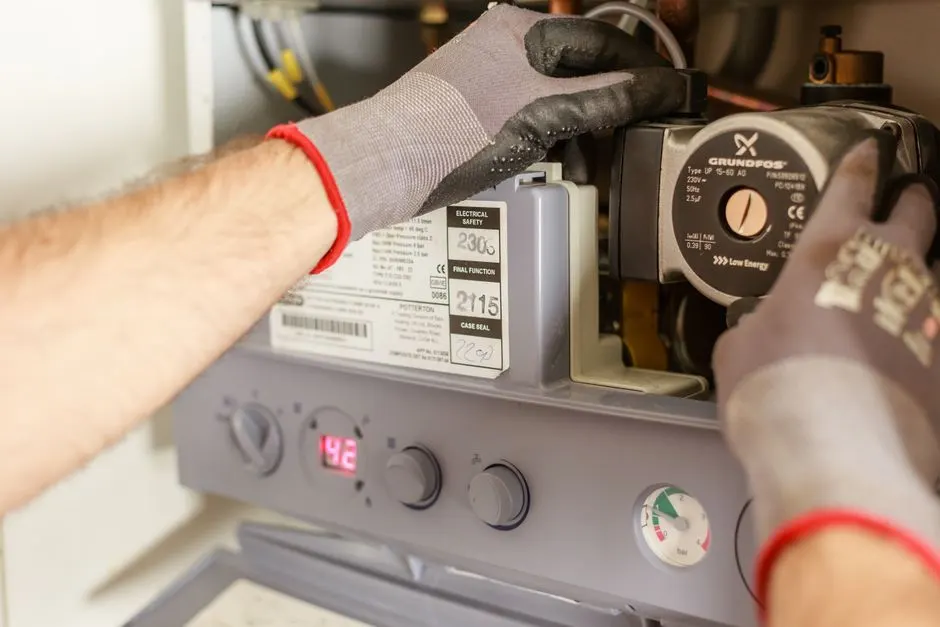
The best time to schedule water heater maintenance in Spring TX is March through early May - before summer demand pushes your system to its limit. Booking a tune-up in that window gives you time to address sediment buildup, failing elements, or a worn anode rod before the first 100-degree week hits. Water heater maintenance is the annual service that flushes sediment, tests safety controls, and replaces worn parts so your tank or tankless unit keeps up with summer showers, laundry, and dishwashing. This post covers exactly when to book, what a tune-up includes, what it costs in 2026, and the mistakes that shorten a water heater's life in the Spring area.
Why Spring Is the Right Window for Water Heater Maintenance
Spring is the right window because water heaters in Spring, Texas work hardest from June through September, and you want the unit inspected before that load arrives. Our water here carries dissolved calcium and magnesium. When the tank heats that water, those minerals drop out of solution and settle on the bottom as sediment. By the time summer arrives, a tank that has been quietly accumulating scale for a year is running hotter, working longer, and burning more gas to produce the same hot water.
Summer makes it worse. Incoming water temperatures climb, so the heater has less temperature to add - but household demand spikes at the same time. Kids home from school, more laundry, more showers, more dishes. A water heater that was marginal in April becomes a cold-shower problem in July. Scheduling plumbers Spring TX for a Spring tune-up means you find the problem while the calendar still has room for a repair or replacement before the rush.
There is also a practical scheduling reason. Plumbers in the Spring area are busiest from late May through August. If your water heater fails on a Friday in July, you are competing with every other homeowner whose unit picked the same week to quit. A March or April appointment is easier to book, and if the inspection turns up something that needs parts, you have time to order them without a week of cold showers.
What Happens During a Water Heater Tune-Up in Spring TX
A water heater tune-up in Spring TX is a 60- to 90-minute service that flushes the tank, inspects the anode rod, tests the heating elements or burner, and checks the pressure relief valve and connections. We do the same core work on gas and electric tanks, with a few differences in what we test.
Here is what a typical visit includes:
- Flush the tank. We connect a hose to the drain valve and run water through until it comes out clear. On a tank that has not been flushed in two or three years, you will see a surprising amount of white or gray grit come out.
- Inspect the anode rod. This sacrificial rod corrodes so your tank does not. Once it is more than 50% consumed, the tank itself starts to rust from the inside. Replacing a $30 rod is far cheaper than a new heater.
- Test the T&P valve. The temperature and pressure relief valve is a safety device. We lift the lever and confirm it reseats and discharges properly. A stuck valve is a scald and explosion risk.
- Check the heating source. On gas, we inspect the burner, thermocouple, and flue for soot or blockage. On electric, we test both elements with a multimeter and check the thermostat calibration.
- Look for leaks and corrosion. We check the inlet and outlet fittings, the drain valve, and the tank seams. A slow weep at a fitting is a cheap fix now and a flooded garage later.
- Test water temperature. We set the thermostat to 120°F unless your household needs hotter. That temperature kills most bacteria while reducing scald risk and standby heat loss.
If you have a tankless unit, the service looks different. We descale the heat exchanger with a vinegar or citric acid flush, clean the inlet filter, and check the igniter and flame sensor. Tankless heaters in Spring need descaling every 12 to 18 months because of our hard water. Skipping it is the number one reason tankless units lose capacity or throw error codes.
If your water heater is already showing signs of failure, a tune-up may turn into a repair. We handle water heater repair Spring TX for tank and tankless systems, and if the unit is past its useful life, we can talk through replacement options while we are there.
How Often Should You Service Your Water Heater in Spring TX?
You should service your water heater in Spring TX once a year - every 12 months for a tank, and every 12 to 18 months for a tankless unit. That annual water heater maintenance schedule matches the manufacturer recommendations for almost every major brand, and it is the interval that keeps sediment from hardening into a layer that is difficult to remove.
Some households need it more often. If you have very hard water, a large family, or a tank that is already 8 to 10 years old, we recommend a flush every 8 to 10 months. Homes on well water in the outlying areas around Spring tend to build scale faster than homes on city water.
Here is a simple way to think about it:
- Tank water heater, city water, 1-4 people: once a year, ideally in Spring.
- Tank water heater, hard water or 5+ people: every 8-10 months.
- Tankless water heater: descale every 12 months, or every 8 months if you have hard water.
- Any unit 10+ years old: annual service is not optional - it is how you avoid a mid-summer failure.
If you cannot remember the last time your water heater was serviced, that is your answer. Book it now. A unit that has gone three or four years without a flush is a candidate for a longer service visit, and we would rather find that out in April than in August.
Water Heater Tune-Up Cost in Spring Texas for 2026
A water heater tune-up in Spring Texas costs between $95 and $180 for a standard tank flush and inspection in 2026. Tankless descaling runs $150 to $250 because it takes longer and requires a pump and descaling solution. If the service turns up a part that needs replacing - an anode rod, a heating element, a thermocouple - expect to add $40 to $150 depending on the part and the unit.
For comparison, a new tank water heater installed runs $1,200 to $2,200 in this area, and a tankless replacement can run $2,500 to $4,500. An annual $95 to $180 service is the cheapest insurance you can buy against a $2,000 replacement. It also protects your manufacturer warranty - most brands require proof of annual maintenance if you file a claim on a unit that fails early.
We quote the price before we start, and we do not add charges for the inspection itself. If we find something that needs attention, we tell you what it costs and let you decide. No surprise line items.
Signs Your Water Heater Needs Attention Before Summer
Signs your water heater needs attention before summer include popping or rumbling sounds, rusty or metallic-tasting hot water, a puddle or moisture around the base of the tank, and hot water that runs out faster than it used to. Any one of these is a reason to book a service call now rather than waiting for the summer rush.
Here is what each sign usually means:
- Popping or rumbling. Sediment on the bottom of the tank traps water underneath it. When that water boils, it pops. The fix is a flush - but if the noise has been going on for a year, the sediment may have hardened and the tank may be near the end of its life.
- Rusty hot water. If the hot water is discolored but the cold water is clear, the anode rod is likely spent and the tank interior is starting to corrode. Replace the rod now or plan for a new heater soon.
- Moisture at the base. A small weep at a fitting is a cheap repair. A leak from the tank itself means the tank is done - no repair will fix a rusted-through tank.
- Shorter hot showers. If your 40-gallon tank used to give you 15 minutes of hot water and now gives you 8, sediment has displaced the water volume or an element is failing.
- Higher gas or electric bills. A scaled tank runs longer to reach temperature. If your utility bill jumped without a change in usage, the water heater is a likely culprit.
If you notice any of these, do not wait for your annual appointment. Call now. A water heater that is popping in April is not going to be healthier in July.
Common Mistakes We See Spring Homeowners Make
The most common mistake we see is waiting for a failure instead of scheduling maintenance. A water heater gives warning signs for months before it quits. Homeowners who ignore the popping sound or the rusty water end up calling us on a Saturday in July for an emergency replacement instead of a $120 flush in April.
Other mistakes we run into:
- Never flushing the tank. Some homeowners think a water heater is maintenance-free. It is not. Sediment is the single biggest killer of tank water heaters in this area.
- Turning the thermostat up to compensate. If the hot water runs out faster, turning the dial to 140°F does not fix the problem - it accelerates scale buildup and increases scald risk. Fix the cause, not the symptom.
- Ignoring the anode rod. The rod is a $20 to $50 part that protects a $1,500 tank. Replacing it every 3 to 5 years is the cheapest way to extend the life of your heater.
- Skipping the tankless descale. Tankless owners sometimes go years without descaling because the unit keeps working. Then one day it throws an error code and the heat exchanger is scaled solid. Descaling is not optional in Spring's hard water.
- DIY flush gone wrong. We have seen homeowners strip the plastic drain valve, cross-thread the hose connection, or fail to turn off the power to an electric heater before draining it - which burns out the upper element. It is a simple job, but it is easy to get wrong.
If you are not sure whether your unit needs service, call us. A quick phone conversation usually tells us whether you need a tune-up, a repair, or a replacement.
When to Call a Professional
Call a professional when you see moisture around the tank, smell gas near a gas water heater, hear popping that does not stop after a flush, or get rusty hot water that persists after running the tap for a few minutes. Those are not DIY problems. A gas leak, a failed T&P valve, or a tank that is actively leaking needs a licensed plumber, not a YouTube tutorial.
We also recommend calling us if your water heater is more than 10 years old and has never been serviced. At that age, a standard flush can sometimes reveal that the tank is already compromised, and you want to know that before it fails on its own schedule. Our team handles water heater service in Spring TX for both tank and tankless systems, and we can usually get to you within a day or two for a non-emergency appointment.
If your water heater has already failed, we also handle water heater installation Spring TX and can walk you through replacement options, including tankless upgrades if you are tired of running out of hot water.
Frequently Asked Questions
How often should I service my water heater in Spring TX?
Once a year for a tank water heater, and every 12 to 18 months for a tankless unit. If you have hard water or a large family, service every 8 to 10 months. Annual service is the interval that keeps sediment from hardening and extends the life of the unit.
When should I schedule water heater maintenance in Spring TX?
March through early May is the ideal window. That gets the service done before summer demand spikes and before plumbers in the area get booked solid. If you miss that window, schedule as soon as you can - any month is better than skipping it.
How much does water heater maintenance cost in Spring Texas?
Expect $95 to $180 for a tank flush and inspection in 2026. Tankless descaling runs $150 to $250. Parts like an anode rod or heating element add $40 to $150 if they need replacing. We quote the price before we start.
What happens if I skip water heater maintenance?
Sediment builds up, the tank works harder, and the anode rod corrodes. You will see higher utility bills, shorter hot showers, and eventually a leak or a failure. Skipping maintenance can cut a water heater's life by three to five years.
Do you service tankless water heaters in Spring TX?
Yes. We descale tankless units, clean inlet filters, and check igniters and flame sensors. Tankless heaters in this area need descaling every 12 months because of hard water. Skipping it is the most common reason tankless units lose capacity.
Get Help with Plumbers Spring TX in Spring
If your water heater has not been serviced in the last year, book it now - before the summer rush fills the schedule. We serve homeowners across Spring, from Old Town Spring to Klein and the neighborhoods along Spring Cypress Road.
Call us at +1 (831) 293-1204 to schedule your water heater maintenance. We will flush the tank, inspect the anode rod, test the safety controls, and tell you exactly what shape your unit is in - no surprises, no pressure.